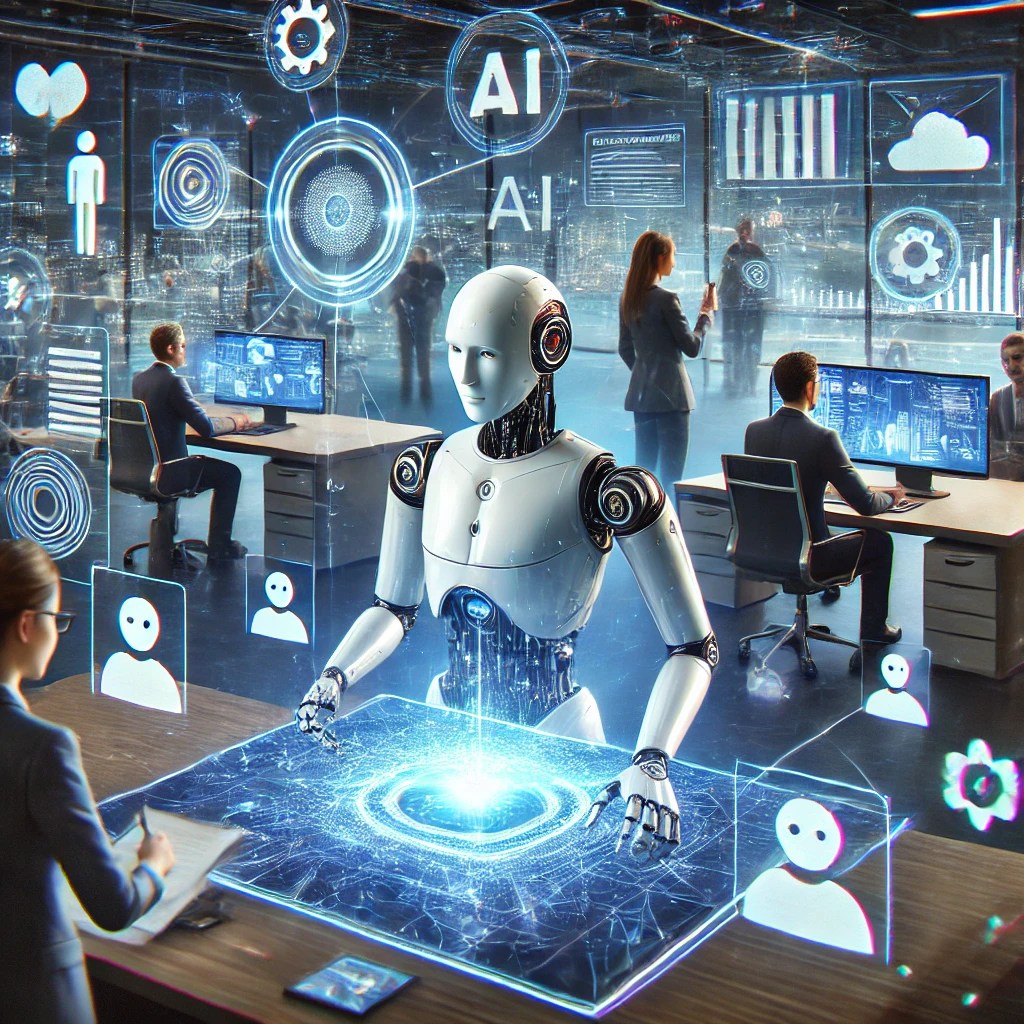
A new wave of automation is upon us, powered by Large Language Models (LLMs) like GPT and other advanced AI technologies. These models have grown exponentially in their capabilities, thanks to breakthroughs in machine learning, data processing, and neural networks.
This isn’t just about automating routine tasks. LLMs can now handle complex work like generating content, coding, analyzing data, and even providing customer service. The driving force behind this shift is simple: businesses are realizing that AI can improve efficiency, reduce costs, and unlock new levels of innovation.
But with this massive change comes real concerns about job displacement. As LLMs automate more tasks, some jobs are at higher risk of being replaced. Let’s talk about how this automation might affect your career and what you can do to stay ahead of the curve.
💡 Prepare to adapt. 💡 Leverage LLMs to your advantage. 💡 And never underestimate the value of human skills.
Several factors can determine how automation affects your career:
- How adaptable are your skills? The key to thriving in the LLM era is continuous learning. Are you willing to upskill and adopt new technologies that enhance your work rather than replace it?
- How much can you leverage AI? The future belongs to those who can use LLMs to boost their creativity and productivity, not those who fear them. AI can enhance, not replace, your expertise—especially when used strategically.
Careers at High Risk of Automation:
- Administrative Assistants: Tasks like scheduling, data entry, and basic document creation can now be automated by AI systems.
- Customer Service Representatives: With AI chatbots becoming more conversational and intuitive, repetitive customer queries are being handled by LLMs.
- Data Entry Clerks: The ability of LLMs to process and organize data with high accuracy means fewer hands-on data entry roles.
- Content Writers for Basic Topics: LLMs can already write articles, blogs, and reports on straightforward topics, potentially reducing the demand for entry-level writers.
- Translators: AI has made significant strides in real-time language translation, minimizing the need for human translators for basic content.
If your role falls into one of these high-risk categories, it’s worth asking yourself:
- Am I actively learning how to work alongside AI? There are growing opportunities for those who combine LLM tools with their unique talents.
- Do I need to transition to a more future-proof career? Certain industries may change faster than others, but human creativity, empathy, and complex problem-solving remain irreplaceable.
It may be uncomfortable to face the idea of job transitions. But staying in a role that could soon be obsolete is much more daunting.
Instead of worrying about job loss due to LLMs, ask yourself these questions:
- If my current job could be automated, how can I adapt my role to focus on higher-value tasks?
- If I have to transition careers, so what? Could a new role help me expand my skills and tap into new potential?
- If I have to upskill, is there a path to combine AI with my expertise to stay competitive?
Now imagine the upside:
- You learn to leverage LLMs to be more efficient and innovative at work.
- You move into a career where AI amplifies your abilities rather than limiting them.
- You stay ahead of the curve, positioning yourself as an expert in human-AI collaboration.
Automation is changing the workplace, but it doesn’t have to be a threat. With the right mindset, LLMs can be the tools that help you reach new heights in your career.
Follow me for more tips and advice on navigating the future of work, and share if you found this helpful.






 Mohsin Alshammari
